
Treasures I Found While Seeking Wisdom · Treasure 01
How To Get Your Ideas Valued And Accepted
“They will ensure that you get the maximum opportunity to have your ideas valued and accepted by the people you speak with.”
Teacher and source: Dr. Patrick H. Winston, “How to Speak,” MIT OpenCourseWare. The quotations and purple captions below include the time they appear in his lecture. Open the original MIT lesson.
Dr. Winston says:
“What Really Matters Is What You Know”
“I was a better skier because I had the K and I had the P and all she had was the T. So you can get a lot better than people who may have inherent talents if you have the right amount of knowledge.”Patrick H. Winston · 00:00:46
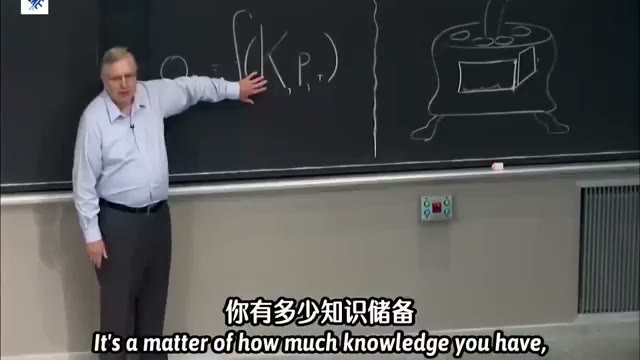
“By the end of the next sixty minutes you’ll have been exposed to a lot of ideas some of which you’ll incorporate into your own repertoire and they will ensure that you get the maximum opportunity to have your ideas valued and accepted by the people you speak with.”Patrick H. Winston · 00:01:32
He continues:
“It’s An Empowerment Promise. It’s The Reason For Being Here.”
“You want to tell people what they’re going to know at the end of the hour that they didn’t know at the beginning of the hour. It’s an empowerment promise. It’s the reason for being here.”Patrick H. Winston · 00:04:06
“It’s a good idea to cycle on the subject. Go around it, go around it again, go around it again.”00:04:44
“I want to build a fence around it so that it’s not confused with somebody else’s idea.”00:05:25
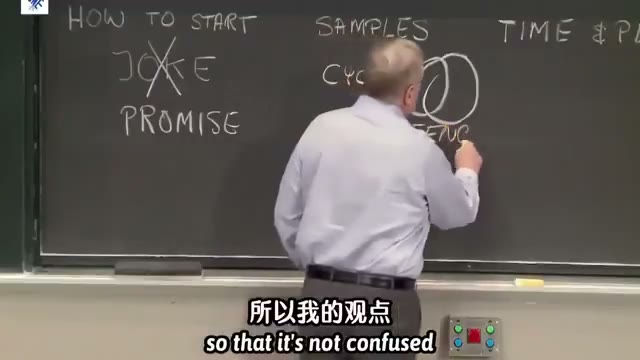
“You need to provide some landmark places where you’re announcing that it’s a good time to get back on.”00:06:08
“Ask a question.”00:07:46
“I count to seven seconds.”00:07:46
Dr. Winston says:
“A Discussion Of Time And Place”
“The first thing I do when I speak to the audiovisual people is say keep the lights full up. Oh, they might reply people will see the slides better if we turn the lights off. And then I reply it’s extremely hard to see slides through closed eyelids.”Patrick H. Winston · 00:10:14
“Whenever I go somewhere to speak the first thing I ask my host to do is to take me to the place where I’ll be speaking so that if there are any weirdnesses I’ll be able to to deal with it.”Patrick H. Winston · 00:11:03
He further states:
“Boards And Props And Slides”
“The slides are good when your purpose is exposing.”00:12:40
“But this is what I use when I’m informing, teaching, lecturing.”00:12:40
“The speed with which you write on the blackboard is approximately the speed at which people can absorb ideas.”Patrick H. Winston · 00:13:32
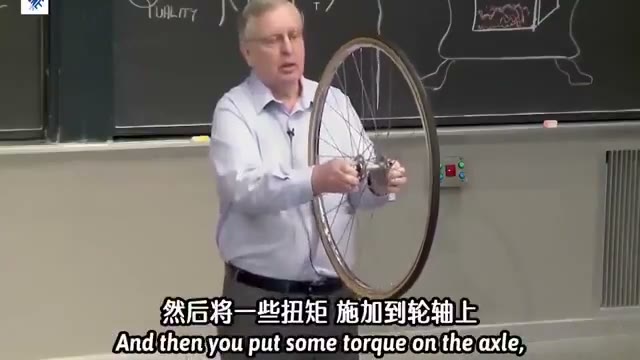
“Whenever surveys are taken students always say more chalk less PowerPoint, and why would that be? Props are always also very effective. Why would that be? I’ll give you my lunatic fringe view on this. It has to do with what I would call empathetic mirroring.”Patrick H. Winston · 00:20:28
I thought this one was particularly brilliant:
“You Have Too Many And They Have Too Many Words”
“How did you know, he said, thinking perhaps I’d seen talk of his before. I hadn’t. My reply was, because it’s always true. There are always too many slides, always too many words.”Patrick H. Winston · 00:24:15
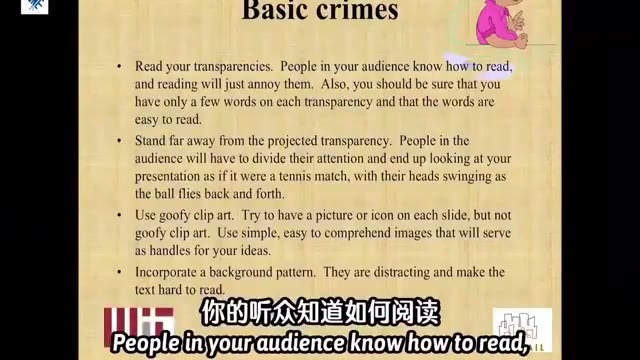
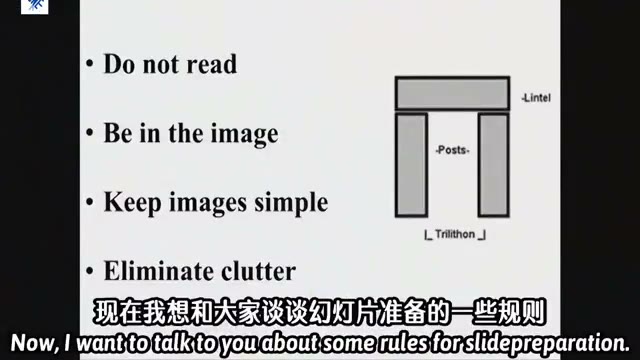
“We have only one language processor and we can either use it to read stuff or to listen to the speaker. And so if we have too many words on the slide it forces people in the audience to read this stuff and not listen.”Patrick H. Winston · 00:26:29
Dr. Winston says:
“We Are Storytelling Animals”
“What I found from the incoming freshmen is that they were inspired by some high school teacher who told them they could do it. What I found in the senior faculty they were inspired by someone who helped them see a problem in a new way. And what I saw from everyone is that they were inspired when someone exhibited passion about what they were doing.”Patrick H. Winston · 00:35:55
“I believe that we are storytelling animals and that we start developing our story understanding and manipulating skills with fairy tales in childhood and continue on through professional schools like law, business, medicine, engineering, everything, and we continue doing that throughout life.”Patrick H. Winston · 00:39:40
“When you want to teach people how to think you provide them with the stories they need to know, the questions they need to ask about those stories, mechanisms for analyzing those stories, ways of putting stories together, ways of evaluating how reliable a story is.”Patrick H. Winston · 00:39:40
He continues:
“If You Want Your Presentation Ideas To Be Remembered”
“So if you haven’t expressed your vision if you haven’t told people that you’ve done something in five minutes you’re al- you’re al- you’ve already lost.”Patrick H. Winston · 00:44:05
“Your ideas are like your children and you don’t want them to go into the world in rags.”Patrick H. Winston · 00:48:25
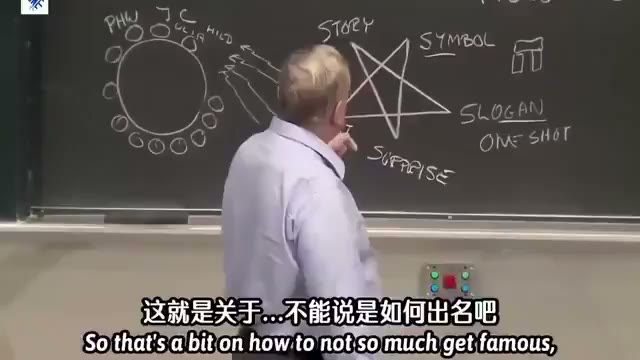
“When I say salient idea I don’t mean important. What I mean is an idea that sticks out.”00:50:38
“Finally you need to tell the story of how you did it, how it works, why it’s important.”00:51:27
He further states:
“How To Stop”
“This is the worst possible way to end a talk. Because this slide can be up there for 20 minutes. I’ve seen it happen. It squanders real estate. It squanders an opportunity to tell people who you are.”Patrick H. Winston · 00:53:14
“What they care about is what you have done and that’s why your final slide should have this label: contributions.”Patrick H. Winston · 00:54:03
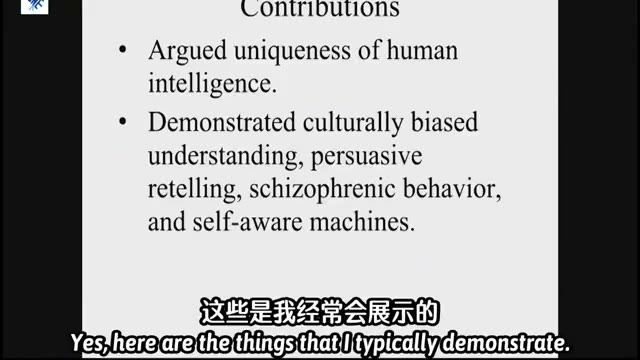
“What everybody does is not necessarily the right thing.”Patrick H. Winston · 00:57:32